Menu
Same-Day Service Available!
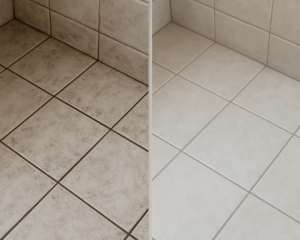
Tile floors are a favorite in many homes for a reason. They look clean, feel durable, and handle busy family life better than many other surfaces. Kitchens, bathrooms, laundry rooms, mudrooms, and entryways all benefit from tile because it stands up well to daily traffic. Still, there is one part of the floor that tends to cause frustration again and again: the grout.
A lot of homeowners in Clear Lake, Texas start with the same plan. They notice dark grout lines, grab a brush, mix up a cleaner, scrub for a while, and expect the floor to look new again. Sometimes the results improve for a day or two. Sometimes one small section looks better while everything around it still looks dull. In many cases, the grout still seems dirty no matter how hard the homeowner works. That can make tile & grout cleaning feel confusing, expensive, and unnecessarily difficult.
The truth is simple. DIY grout cleaning does not always work because grout is not like the tile around it. Tile surfaces are generally smoother and easier to wipe down. Grout is porous, which means it can absorb and hold onto dirt, oils, residue, moisture, and bacteria much more easily. Once that buildup settles in, surface-level scrubbing often cannot remove it completely. This is one reason professional tile & grout cleaning continues to matter for homes that look clean on the surface but still feel less than fresh underneath. Safe-Dry’s tile and grout cleaning service is built around lifting embedded grime from grout lines rather than just making the top layer look better for a short time. (Safe-Dry Carpet Cleaning)
This issue matters even more in active households. Families with children, pets, guests, and full schedules put a lot of wear on floors. Dirt gets tracked in from outside. Cooking grease settles in kitchens. Bathrooms deal with moisture and product residue. Even with regular sweeping and mopping, grout can keep getting darker because the real problem is happening below the surface. If the goal is a clean, healthy home, tile & grout cleaning has to go deeper than a bottle from the store and a few minutes of scrubbing.
This guide breaks down why DIY grout cleaning often falls short, what causes grout to get so dirty in the first place, what homeowners can do to protect their floors, and when it makes sense to call in professional help. Along the way, it will also show how tile care fits into the bigger picture of home care, including carpet cleaning, upholstery cleaning, and other deep cleaning services that help a home feel cleaner from room to room. Safe-Dry’s broader service approach centers on safe, hypoallergenic, soap-free cleaning with fast-drying results, which is why many homeowners treat hard floor care as part of a full-home cleaning plan instead of an isolated project. (Safe-Dry Carpet Cleaning)
Most people notice the tile first. It reflects light, it wipes down quickly, and it gives the room that smooth, finished look. Grout behaves very differently. It sits slightly lower than the tile surface and has a porous texture that catches and holds fine particles over time. Dirt, dust, cooking residue, soap film, body oils, and moisture can all settle into those lines little by little. Once that happens, simple mopping often spreads dirty moisture around instead of removing what is trapped inside.
This is why grout can make a room look older even when the tile itself still looks decent. Homeowners often feel like they are cleaning regularly, but the floor still looks patchy or dull. In kitchens, oils and food splatter make the problem worse. In bathrooms, humidity and product buildup add another layer. A family can be doing a good job with routine care and still end up with grout that looks permanently dirty.
Moisture also plays a role. The U.S. Environmental Protection Agency notes that indoor pollutants and biological contaminants can build up in homes, and moisture problems can support mold and mildew growth if surfaces stay damp. Bathrooms and other moisture-prone areas need special attention because trapped grime and lingering dampness can turn a simple cleaning issue into a bigger comfort problem over time. (US EPA)
The first problem with DIY grout cleaning is that most homeowners are trying to fix a deep problem with shallow tools. A sponge, mop, spray bottle, or hand brush can help with loose dirt on the surface. It usually cannot reach deep into the grout pores where the darker buildup has settled. Scrubbing harder does not always fix that. In fact, it can sometimes rough up the grout surface and make it easier for dirt to cling to it again later.
The second problem is residue. Many household products leave something behind even after the floor dries. A cleaner may make the grout look brighter right away, but leftover residue can attract fresh dirt and cause rapid resoiling. This is very similar to what happens with carpet when soaps are not fully removed. Industry consumer care materials from the IICRC warn that reappearing spots and rapid resoiling are real issues when cleaning is not handled properly. The same principle applies to hard floors when cleaning products linger in porous surfaces. (IICRC)
The third problem is inconsistency. Homeowners usually scrub the most visible areas first. They may work harder near the middle of the floor than along cabinets, corners, toilets, tubs, or door edges. As a result, the floor can end up looking uneven. One section looks lighter. Another still looks dingy. The overall room still feels off, and the effort feels wasted.
The fourth problem is time. Good DIY grout cleaning takes much longer than people expect. You cannot usually spray the floor once, wipe it down, and call it done. Real improvement means working in sections, letting a product dwell for the right amount of time, scrubbing carefully, rinsing well, drying properly, and repeating where needed. By the time a homeowner reaches the second or third room, the project often becomes too exhausting to finish well.
The fifth problem is expectations. Some online tips make grout cleaning sound easy, but a lot of those methods only create cosmetic improvement. They lighten the top layer for a short time or work only in mild cases. Once the grout has gone through months or years of buildup, a stronger and more controlled process is usually needed. This is one reason many families eventually move from DIY efforts to professional tile & grout cleaning in the same way they eventually move from home spot treatment to professional carpet cleaning for deeper carpet issues.
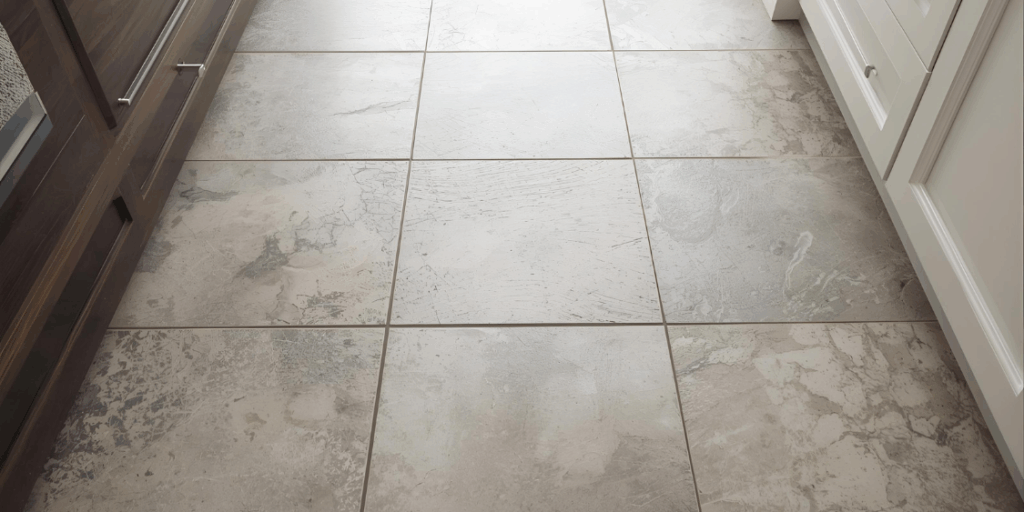
One common mistake is using too much water. Many homeowners assume that more water means a cleaner floor, but too much moisture can push dirty liquid deeper into grout lines and corners. It can also leave the floor damp longer than needed, especially in bathrooms or poorly ventilated spaces.
Another mistake is using harsh chemicals without understanding the surface. Strong products may strip grime temporarily, but they can also leave residue, affect nearby sealers, or irritate people who live in the home. Homeowners looking for a healthier, more family-friendly environment usually do better with cleaning approaches that remove the problem instead of masking it with heavy product.
Scrubbing with the wrong brush is another issue. A brush that is too stiff can wear down grout or scratch surrounding surfaces. A brush that is too soft may barely do anything. Many homeowners also scrub too quickly, not giving the product time to break down grime before agitation starts.
Skipping the rinse is another easy mistake. If the loosened dirt and cleaner are not fully lifted away, the floor can dry with a hazy look or with residue left in the grout. That makes the surface attract dirt faster and can make the whole project feel pointless.
Trying too many products in one session can also backfire. Mixing random cleaners or jumping from one DIY recipe to another may create inconsistent results and unnecessary frustration. A better strategy is to understand why the grout is dirty, use a safe and focused process, and recognize when the buildup has gone beyond what home care can handle.
Kitchens and bathrooms are where grout problems usually become most obvious. In the kitchen, grease is a major reason. Cooking oils do not always stay near the stove. They travel through the air in tiny particles and settle on cabinets, walls, and floors. Once that oily layer lands on grout, it traps more dust and dirt. Sweeping alone will not touch it, and ordinary mopping often just glides over it.
Bathrooms have a different issue. They deal with repeated moisture, soap film, body oils, and product residue. If ventilation is poor, the room stays damp longer, which gives grime more time to cling to grout. The EPA specifically highlights how bathroom ventilation helps remove unwanted moisture and reduce mold and mildew concerns, which is one reason routine fan use and surface drying matter so much in these spaces. (US EPA)
These rooms also see heavy daily use. Families move through them constantly, and small messes happen all the time. That combination of traffic, moisture, and residue makes grout harder to restore once it starts darkening. It also explains why homeowners often feel like they are cleaning the same spots again and again with almost no lasting improvement.
DIY cleaning usually focuses on visible buildup. Professional tile & grout cleaning is built to deal with what is deeper than the eye can see. That difference matters because grout is porous and often holds onto more than just surface dirt. A professional process aims to loosen, lift, and extract embedded grime instead of simply brushing over it.
Safe-Dry’s tile and grout cleaning service describes this clearly by focusing on embedded dirt in textured tile and deep within grout lines. The goal is to brighten the floor and eliminate what routine cleaning leaves behind. That kind of result is difficult to reproduce with a household scrub brush and off-the-shelf cleaner. (Safe-Dry Carpet Cleaning)
Another difference is efficiency. A trained technician can evaluate the floor, identify problem areas, apply the right treatment, and clean more evenly across the entire surface. This usually produces a much more consistent finish than a DIY attempt where one section gets more attention than another.
Professional service also saves physical effort. Grout cleaning by hand is tiring. Kneeling, scrubbing, rinsing, drying, and repeating can take hours. For homeowners with larger kitchens, multiple bathrooms, or busy schedules, hiring help is often less about convenience and more about getting better results without losing an entire day.
Before using any liquid, sweep or vacuum the tile thoroughly. Loose dust and grit should come off the floor first so you do not turn it into muddy residue once moisture is added. This also helps you see where the true grout problem areas are.
Choose one grout-safe cleaner rather than stacking multiple products together. Apply it in a small section so you can see how the floor responds. Let it sit briefly if the directions allow. Avoid jumping into scrubbing the second it touches the floor.
Use a grout brush or another gentle tool designed for the job. Work in small areas and do not rush. Focus on even motion instead of aggressive force. If the grout is not responding at all, that is useful information. It may mean the buildup is too deep for DIY treatment.
This step matters more than many people realize. Use clean water and fresh cloths or a clean mop head to remove loosened soil and leftover cleaner. A floor that is not rinsed well can look sticky or dull once dry.
Let the floor dry fully before deciding whether the job worked. Grout often looks different wet than dry. Once it dries, you can judge whether the color improved evenly or whether deeper staining remains.
If you have cleaned a section carefully and still see little improvement, repeated scrubbing may not help much. That is often the moment to consider professional tile & grout cleaning rather than spending more time, more energy, and more money on products that are not solving the real issue.
Good maintenance makes a big difference after any deep clean. One of the best habits is dry soil removal. Sweep or vacuum often so fine dirt does not settle into the grout. This matters most in kitchens, hallways, laundry rooms, and entry areas where traffic is heavy.
Use a damp mop instead of a soaking wet one. Too much water can spread dirty residue and leave grout damp longer than needed. Clean mop heads matter too. A dirty mop does not clean the floor. It redistributes grime.
Wipe spills quickly, especially oily or strongly colored ones. The longer something sits on grout, the more likely it is to leave staining behind. In bathrooms, use fans during and after showers to reduce lingering moisture. The EPA’s indoor air quality guidance emphasizes source control and ventilation as important ways to manage indoor pollutants and moisture-related issues. (US EPA)
Door mats and shoe-free habits help as well. Reducing the amount of outdoor dirt that enters the house protects both tile and carpet. This is one reason many homeowners think of tile & grout cleaning and carpet cleaning together. Cleaner traffic habits help both surfaces stay in better shape.
A lot of households do not just have one cleaning problem at a time. The kitchen grout may look dark, the living room carpet may feel dull, and the couch may be holding onto odors from daily use. When that happens, it makes sense to think bigger than one floor section.
Safe-Dry offers carpet cleaning, tile & grout cleaning, upholstery cleaning, area rug cleaning, and Oriental rug cleaning through its main service lineup. That makes it easier for families to address the surfaces that affect how the whole home feels instead of cleaning one area and ignoring the next one that still needs help. (Safe-Dry Carpet Cleaning)
This matters in homes with pets especially. A family may need pet urine removal in one room, pet odor removal in another, and tile care in the mudroom or kitchen where bowls, paws, and traffic create buildup. Carpet cleaners near you may not always handle hard floor care well, and some hard floor specialists do not offer carpet cleaning services at all. A company that understands both can help the home feel more balanced and refreshed overall.
It also matters for budgeting. Homeowners often ask about carpet cleaning prices, carpet cleaning cost, carpet cleaning deals, carpet cleaning specials, cheap carpet cleaning, or affordable carpet cleaning because they are trying to stretch value across multiple needs. Safe-Dry’s site includes a deals and coupons page and online scheduling options, which can help homeowners compare timing and budget while planning broader deep cleaning services. (Safe-Dry Carpet Cleaning)
Sometimes dirty grout is just dirty grout. Other times, it is part of a larger moisture or indoor comfort issue. If a bathroom stays damp, smells musty, or shows repeated discoloration around the same areas, moisture control may need attention alongside cleaning. The EPA notes that biological contaminants such as mold, mildew, bacteria, dust mites, and pet allergens can affect indoor air quality, especially in damp environments. (US EPA)
This does not mean every dark grout line is a serious health problem. It does mean persistent dampness, odor, and recurring grime should not be ignored. Better ventilation, faster drying, and deeper cleaning often work together. Homeowners who keep cleaning the same bathroom floor without addressing moisture may find the problem returns faster than expected.
Clear Lake, Texas homes often balance busy routines, guests, pets, and the everyday mess that comes with active households. That alone is enough to wear on floors. Add kitchens that see regular cooking, bathrooms that deal with constant moisture, and entryways that collect dirt, and it becomes easy to see why grout cleaning becomes a recurring frustration.
A lot of homeowners search for solutions room by room. They may start with carpet cleaning near you, then realize the grout in the kitchen still makes the house feel less clean. They may look into stain removal service options for pet accidents, then notice the tile near the back door also needs attention. Deep cleaning services work best when they reflect how families actually live. Surfaces connect. Traffic patterns connect. Odors and dust move through the home as well.
This is why professional tile & grout cleaning can feel like such a strong upgrade. It helps solve a part of the home that daily routines often cannot fully fix. Once the grout is cleaner, the entire room usually feels brighter and easier to maintain.
This usually happens because the dirt is deeper than the surface. Grout is porous, so it holds grime below the top layer. Scrubbing may remove some visible buildup, but it often cannot pull out what is embedded inside. If the grout still looks dark after careful cleaning and rinsing, professional tile & grout cleaning may be the better option.
It can, especially if you use the wrong product, too much water, or a brush that is too aggressive. Some cleaners leave residue behind, while others may affect nearby sealers or surface finishes. Over-scrubbing can also wear down grout over time. A careful approach is always better than attacking the floor with heavy force.
It depends on the room, traffic, pets, and daily use. Many homes benefit from professional tile & grout cleaning every 12 to 18 months, while busier kitchens, bathrooms, and entryways may need it more often. A technician can usually help you judge the right timing based on how quickly the grout darkens again.
Sweep or vacuum often, use a lightly damp mop instead of soaking the floor, wipe spills quickly, and use bathroom ventilation consistently. Small habits matter. They reduce the amount of grime and moisture settling into grout. This makes professional cleaning results last longer.
Yes, because mopping and deep cleaning do different jobs. Mopping helps with surface upkeep. Professional tile & grout cleaning is designed to remove the embedded buildup ordinary maintenance leaves behind. Many homeowners are surprised by how much brighter and more even the floor looks after a true deep clean.
It can. If dirt, residue, food spills, or moisture have settled into grout, they may contribute to lingering odors in kitchens, bathrooms, or entry areas. Deep cleaning helps remove the source instead of just covering the smell. This is similar to how carpet odor removal and odor elimination work better when the cause is actually treated.
Absolutely. Many families schedule multiple services at once because the home feels more refreshed when major surfaces are cleaned together. Safe-Dry offers carpet cleaning services, upholstery cleaning, area rug cleaning, and tile care, which makes it easier to plan a more complete home refresh. (Safe-Dry Carpet Cleaning)
DIY cleaning has its place. It can help with quick upkeep, fresh spills, and light surface grime. However, once grout has absorbed months or years of buildup, ordinary scrubbing often cannot deliver the kind of result homeowners really want. The issue is not a lack of effort. It is that grout holds onto dirt in ways surface cleaning cannot fully solve.
For homeowners in Clear Lake, Texas, tile & grout cleaning becomes much easier when the goal shifts from quick cosmetic improvement to true deep cleaning. A brighter floor usually comes from removing embedded grime, reducing residue, managing moisture wisely, and using methods that fit the surface instead of fighting against it.
If your floors still look dull after repeated scrubbing, or if the grout in your kitchen, bathroom, or entryway never seems fully clean, this may be the right time to stop guessing and get a more complete solution. Safe-Dry offers tile & grout cleaning, carpet cleaning, and convenient online scheduling so you can take the next step when your home is ready for a deeper clean. A quote, a consultation, or a full-home cleaning plan may be all it takes to make your floors feel fresh again. (Safe-Dry Carpet Cleaning)